13 hr
Hallstatt & Salzkammergut Day Tour from Vienna
- Expert local guide
- Small group
- Skip-the-line access
- Free cancellation
Vienna to Salzburg and Hallstatt Tour — Alpine Lakes, Baroque Abbeys & Mozart's City
Melk Abbey, Salzburg's old town, and the mirror-lake village in one sweep
Compare fares, pick the fit — all bookings are mobile-voucher and eligible for free cancellation where shown.
13 hr
14 hr
13 hr
| Experience | From | Duration | Rating | Pickup | Skip-the-line | Guide | Price | |
|---|---|---|---|---|---|---|---|---|
|
Guided Experience
Most popular
Hallstatt & Salzkammergut Day Tour from Vienna
|
Vienna | 13 hr | ★ 4.7 | ✓ | ✓ | ✓ | €71 | Book → |
|
Guided Experience
Hallstatt & Salzburg Day Tour from Vienna
|
Vienna | 14 hr | ★ 4.6 | ✓ | ✓ | ✓ | €99 | Book → |
|
Guided Experience
Alpine Highlights: Hallstatt & Salzburg Full-Day Tour from Vienna
|
Vienna | 13 hr | ★ 4.5 | ✓ | ✓ | ✓ | €100 | Book → |
Worth it for baroque architecture enthusiasts
The 14 EUR abbey entrance fee delivers exceptional value if you appreciate ornate baroque interiors and monastic libraries. The marble hall's frescoed ceiling and the library's gilded shelves holding 100,000 volumes justify the cost for anyone interested in 18th-century craftsmanship. Most vienna to salzburg and hallstatt tour itineraries allocate 60–90 minutes here, enough to walk the imperial staircase, photograph the courtyard, and absorb the abbey church's ceiling paintings by Johann Michael Rottmayr. Skip it if your transit stop is rushed or if religious architecture doesn't engage you—Hallstatt's lakeside scenery and Salzburg's old town offer different rewards. For visitors who value UNESCO heritage sites and baroque art, Melk Abbey tours deliver substance that survives the tour-bus rhythm, especially when you arrive during the 09:00–11:00 window before afternoon crowds thicken.
Bottom line: The entrance fee pays off when you value architectural detail over scenic photo stops, but only if your tour grants adequate time inside.
Hand-picked experiences loved by thousands of travelers
13 hours
Free Cancellation
Journey through UNESCO-listed alpine landscapes to Austria's iconic lakeside village with boat cruise
12 hours
Free Cancellation
Journey through Alpine scenery to Austria's iconic lakeside village with guided transport and free exploration time
12 hours
Free Cancellation
Journey to Austria's iconic alpine village with lakeside views, salt mining heritage, and free time to explore
12 hours
Free Cancellation
Explore Austria's alpine gem with audio guide in 20 languages, scenic photo stops, and free time to wander
13 hours
Free Cancellation
Discover Austria's alpine gems on a 13-hour guided excursion through lakeside villages and Mozart's birthplace
13 hours
Free Cancellation
Discover Austria's iconic lakeside village and Mozart's birthplace on a guided journey through mountain scenery
13 hours
Free Cancellation
Discover Austria's baroque treasures and alpine beauty on this full-day journey to three iconic destinations
12 hours
Free Cancellation
Journey through Austria's baroque treasures and alpine villages on this customizable 12-hour excursion
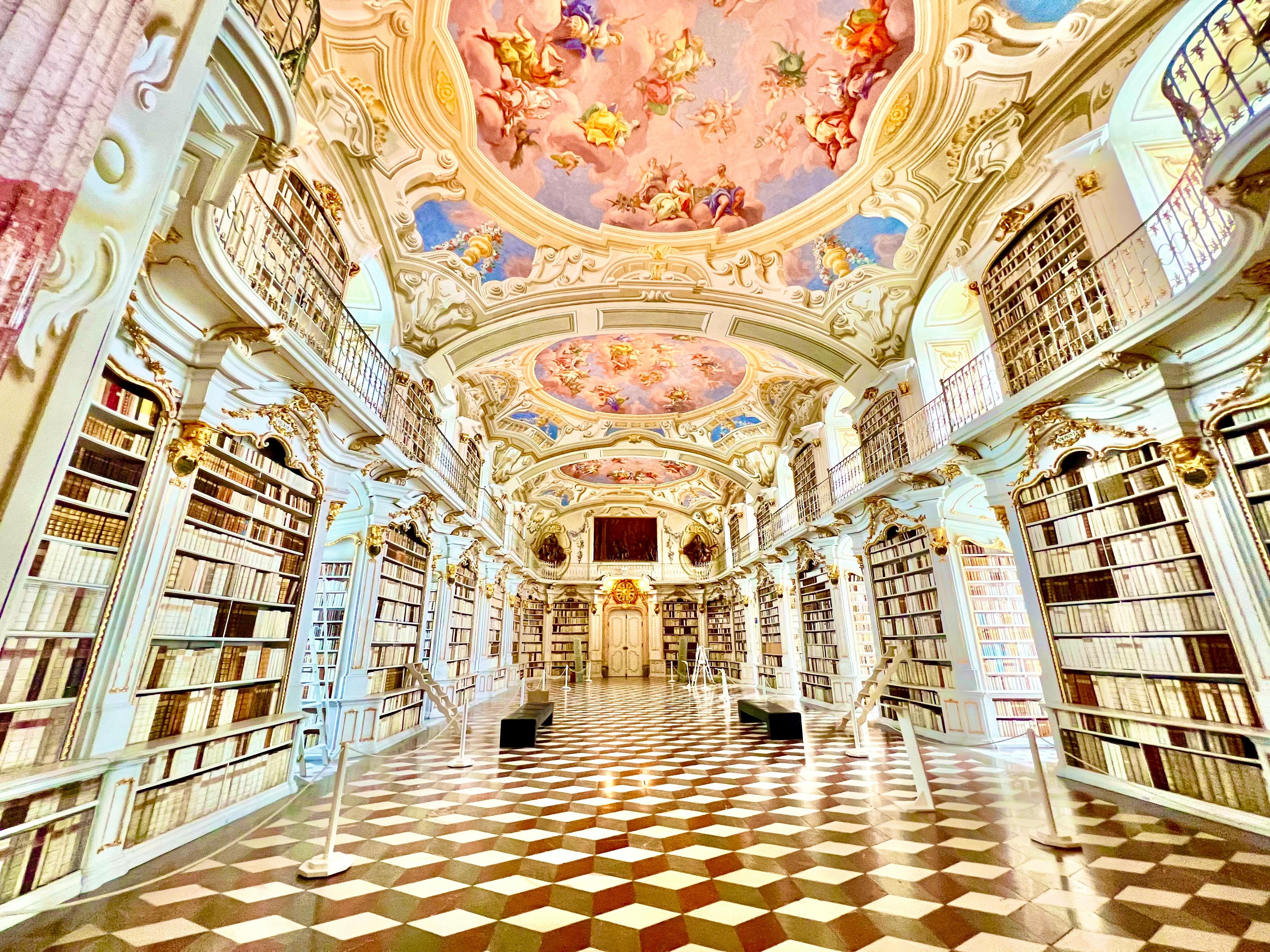
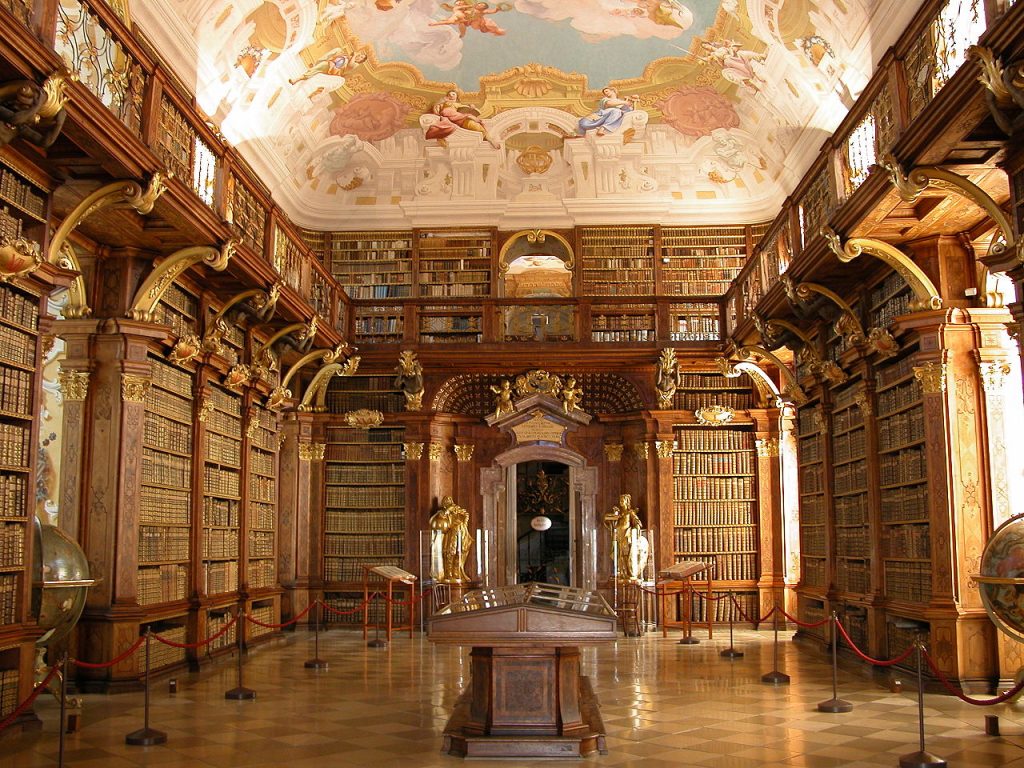
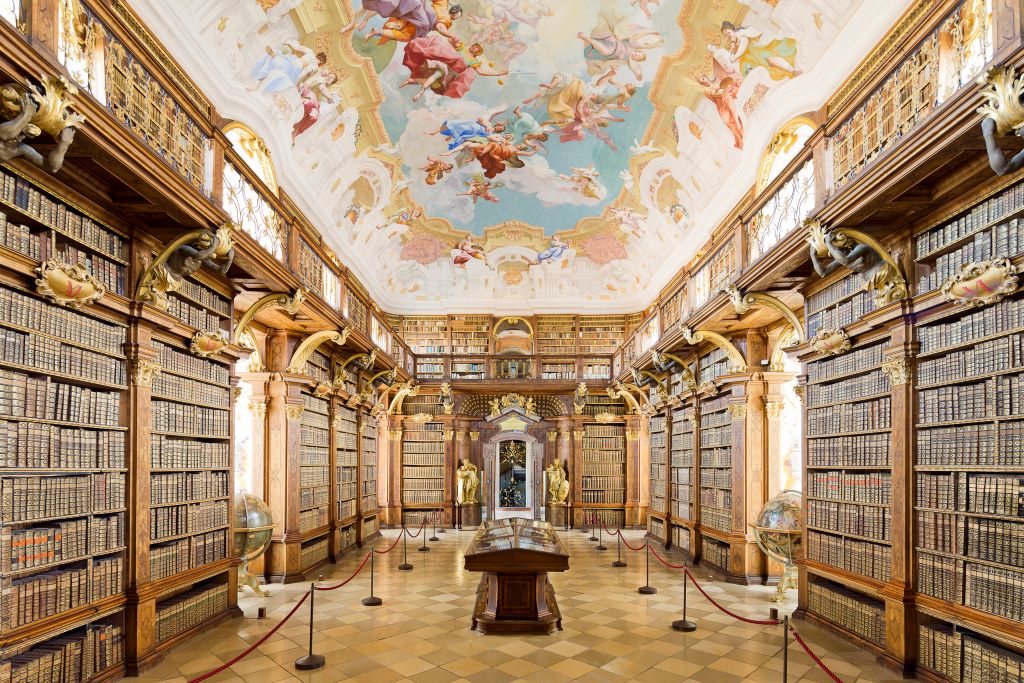
Home to 130,000 volumes, this room features world-renowned Baroque frescoes that are a masterpiece of period art.
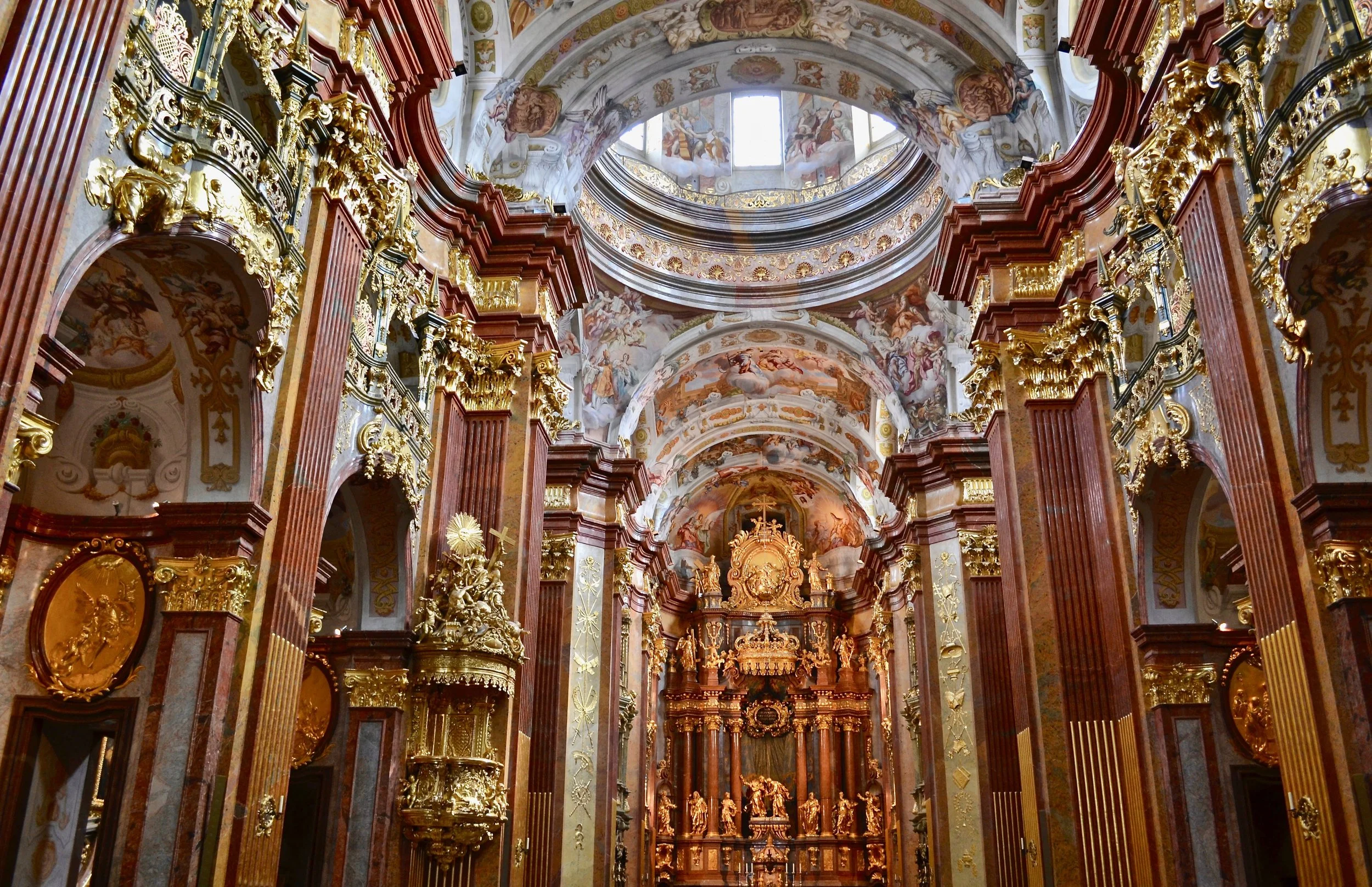
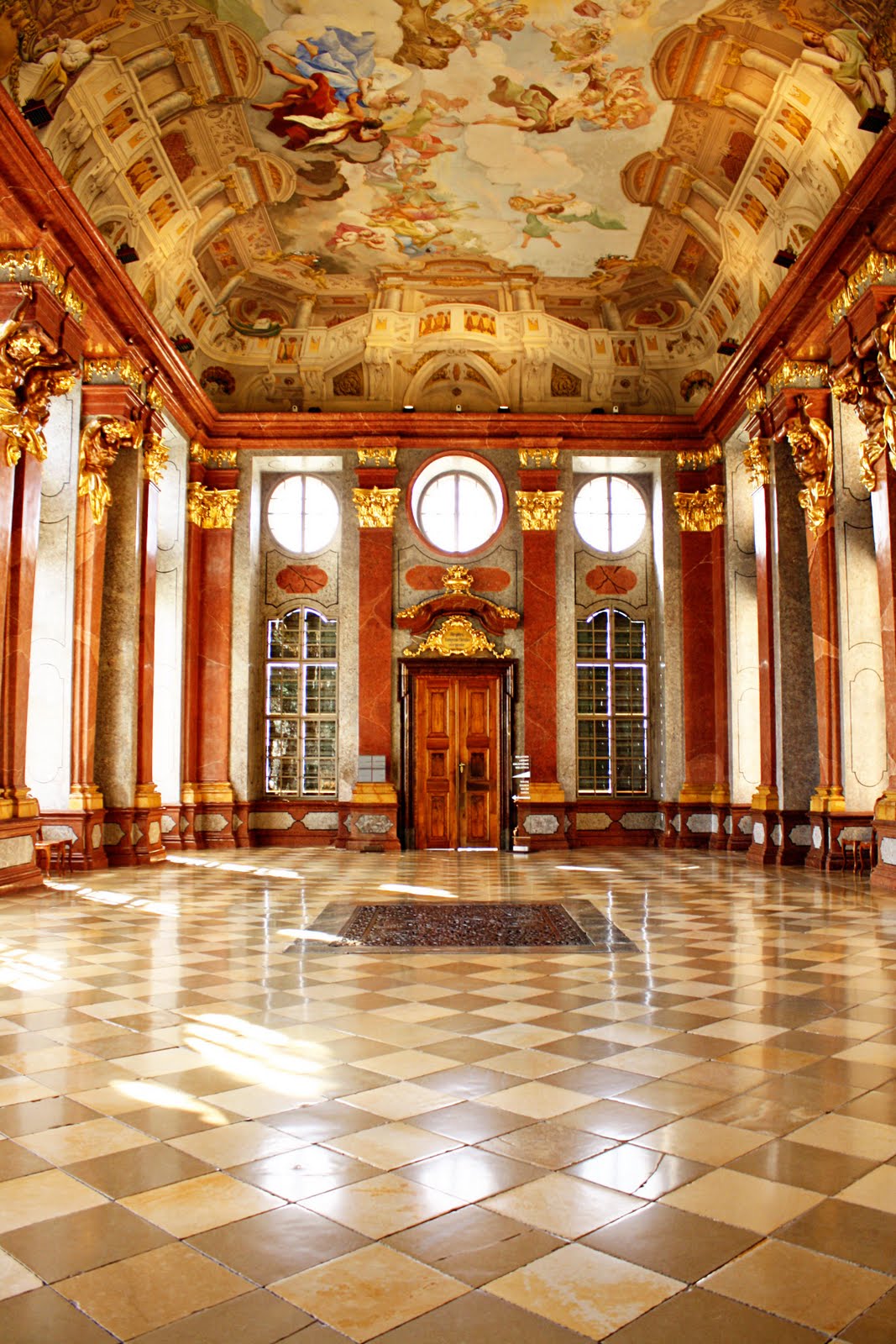
The interior glows with gold leaf and marble, showcasing the intense craftsmanship of the 18th-century Baroque era.
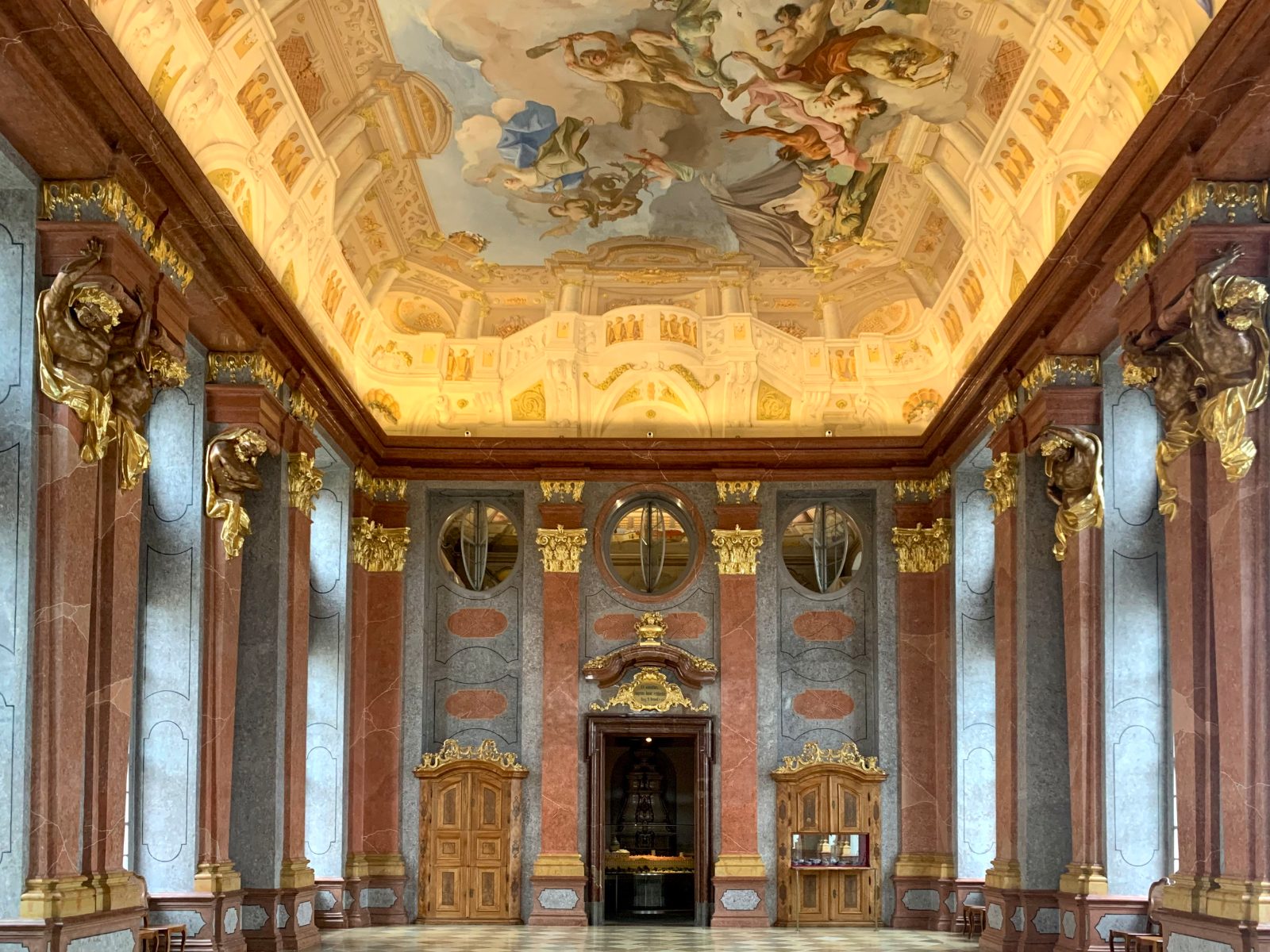
This grand ceremonial room features a unique illusionist ceiling painting designed to extend the architectural space upward.
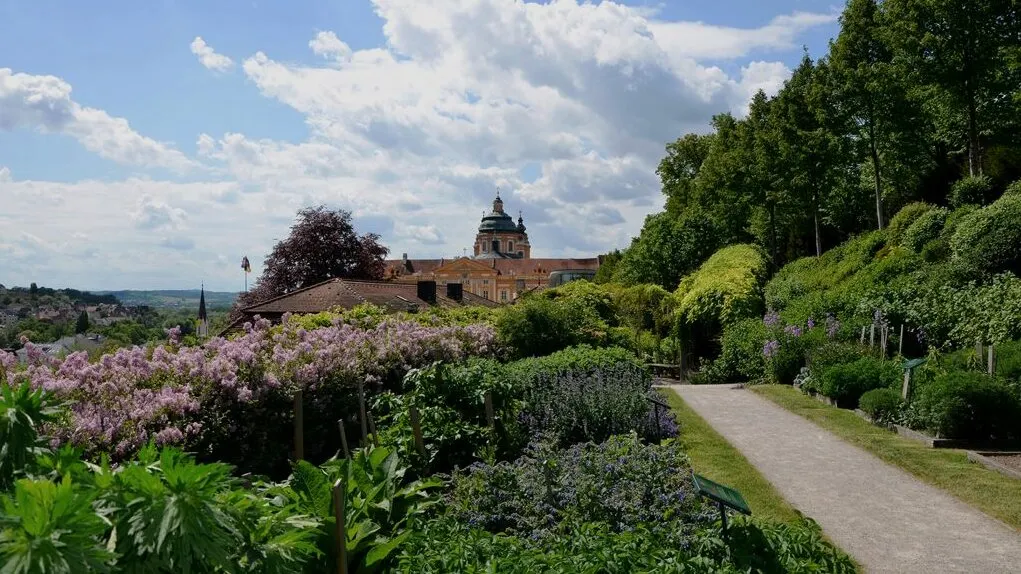
A sprawling landscape garden designed according to 9th-century Benedictine principles, perfect for a peaceful walk.
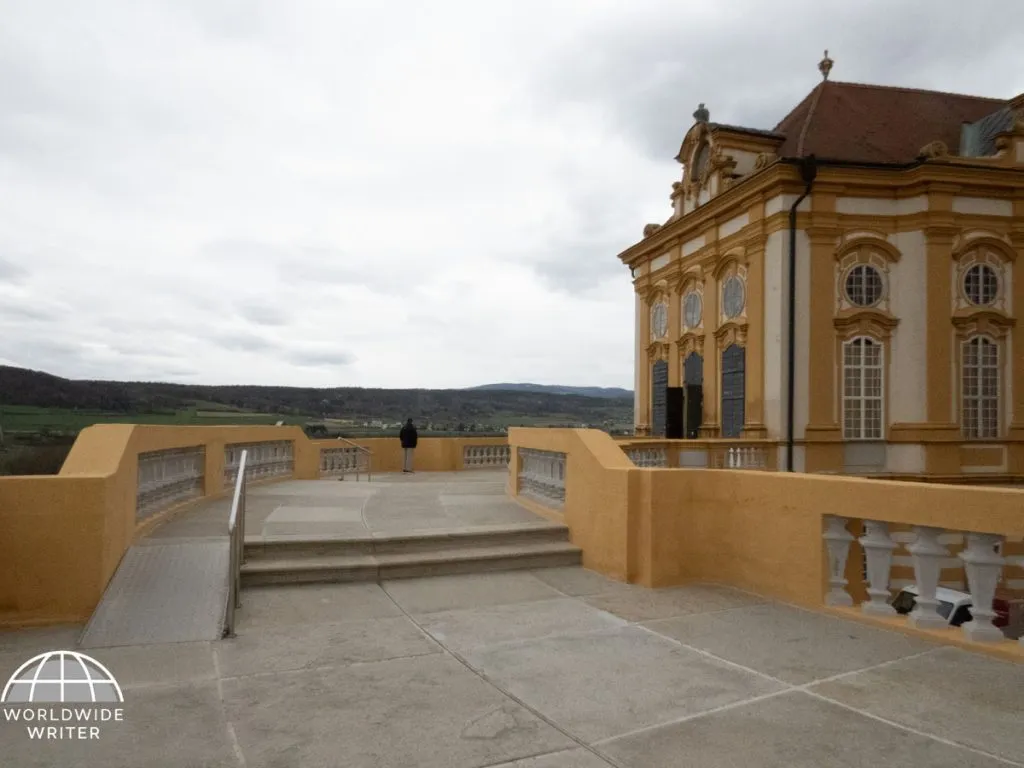
Offers a panoramic terrace view of the Danube and the surrounding Wachau Valley landscape.
You depart Vienna at 8:00, the coach cutting west through the Vienna Woods before the Danube Valley opens beyond Tulln. Melk Abbey appears at 9:30, its yellow façade sharp against the limestone cliff.
You climb the imperial staircase into the marble hall, where mirrors and painted architecture stretch the room into impossible depth. The library comes next — two storeys of walnut shelving beneath Troger's frescoes, the scent of vellum and beeswax still present. The church altar rises 20 metres in a blaze of gilt and marble, side chapels tucked into alcoves designed to amplify whispered prayer.
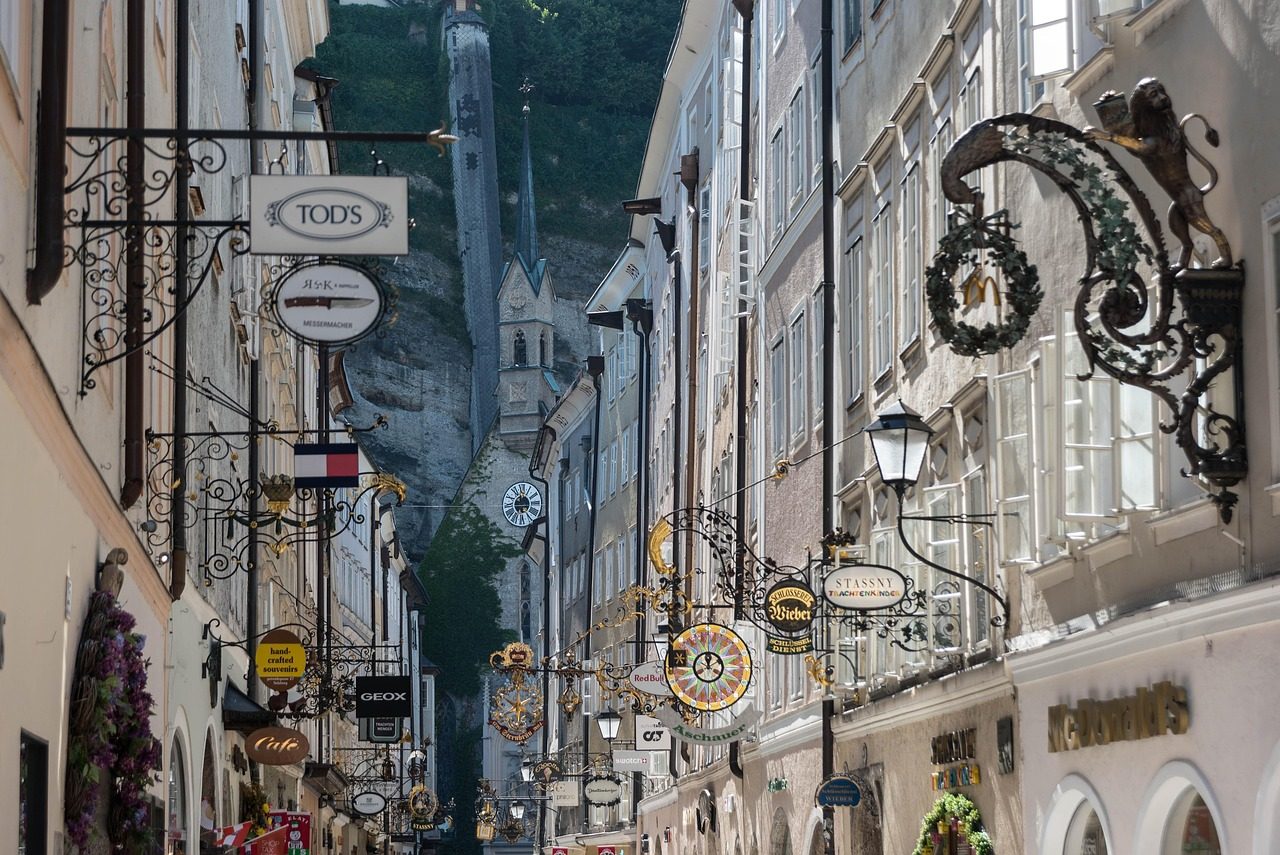
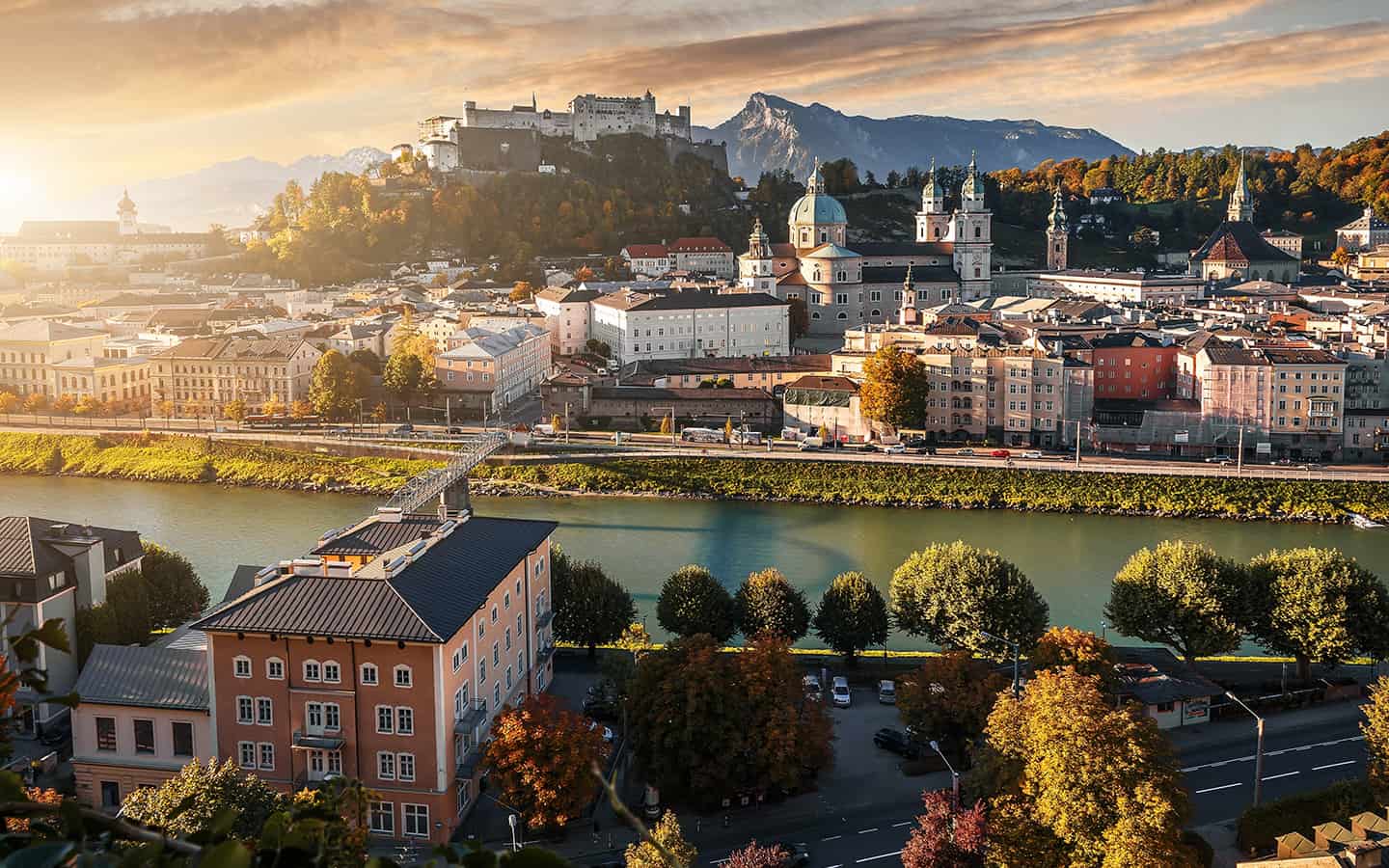
Salzburg arrives after lunch, the fortress visible 15 kilometres out. You walk Getreidegasse's iron guild signs — a boot, a pretzel, a golden lion — before entering Mozart's birthplace at number 9. Three floors of instruments and letters, the rooms tight and steep. The Salzach River glints below Hohensalzburg's ramparts, swans clustered at the Makartsteg footbridge. You have 90 minutes before the final leg.
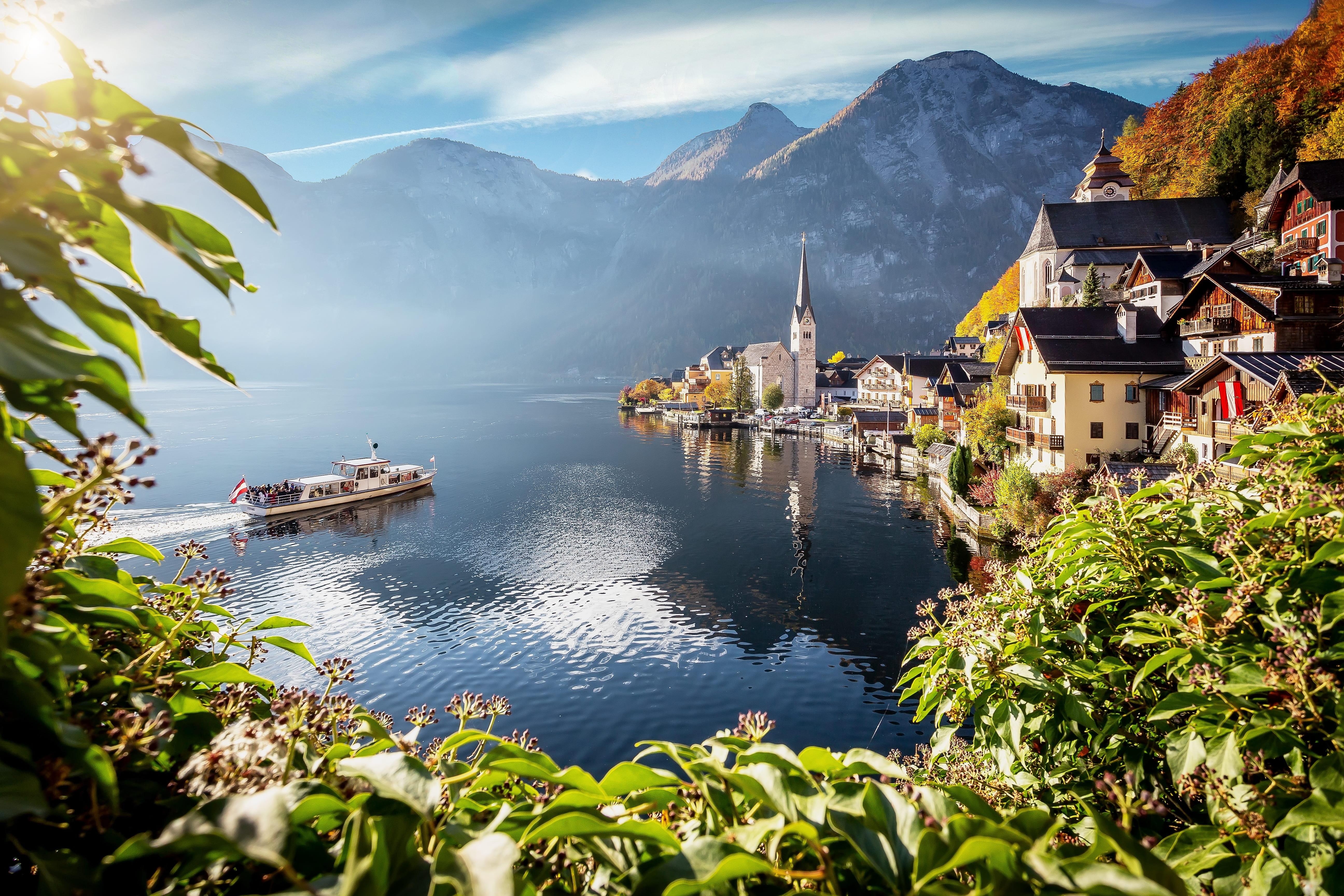
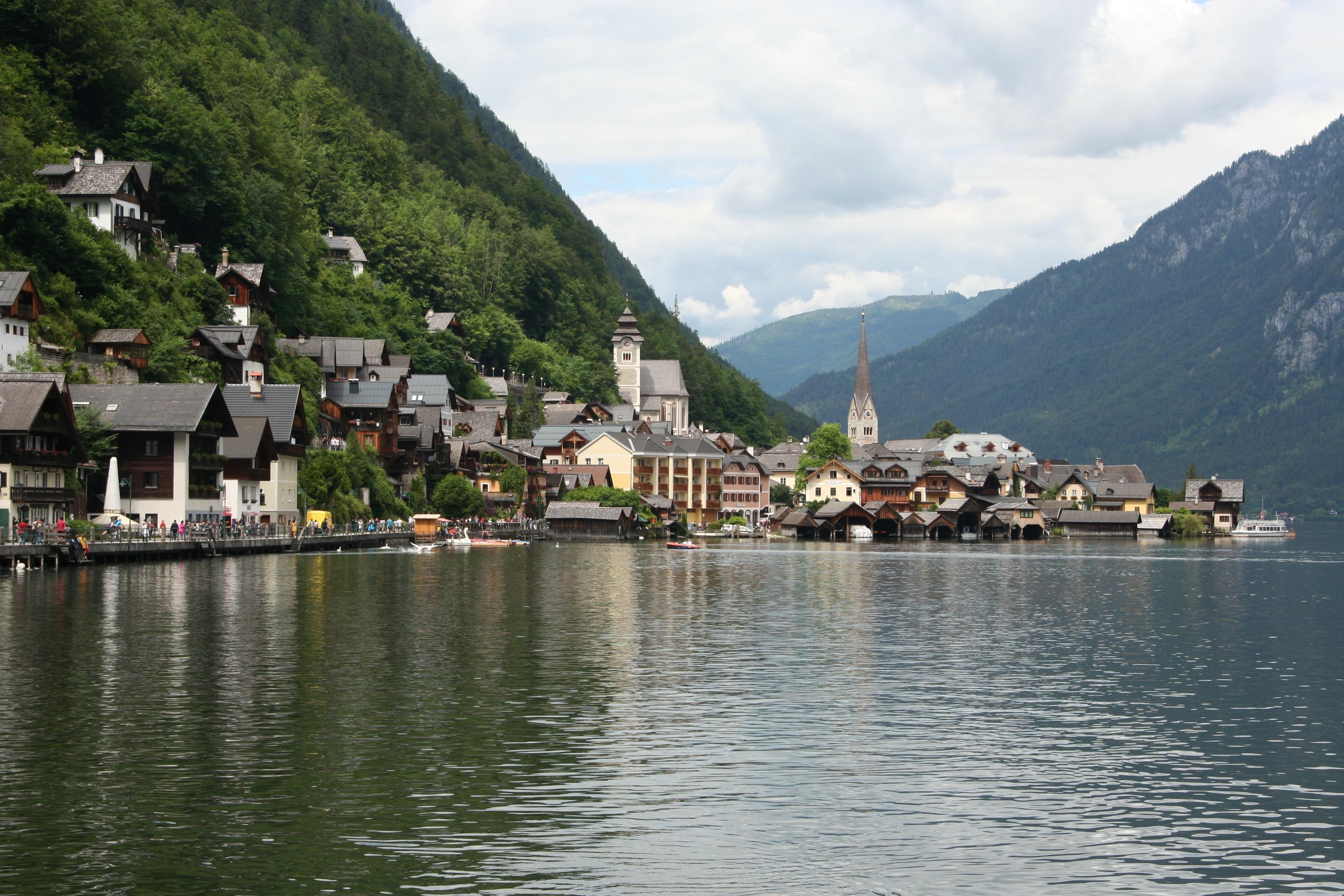
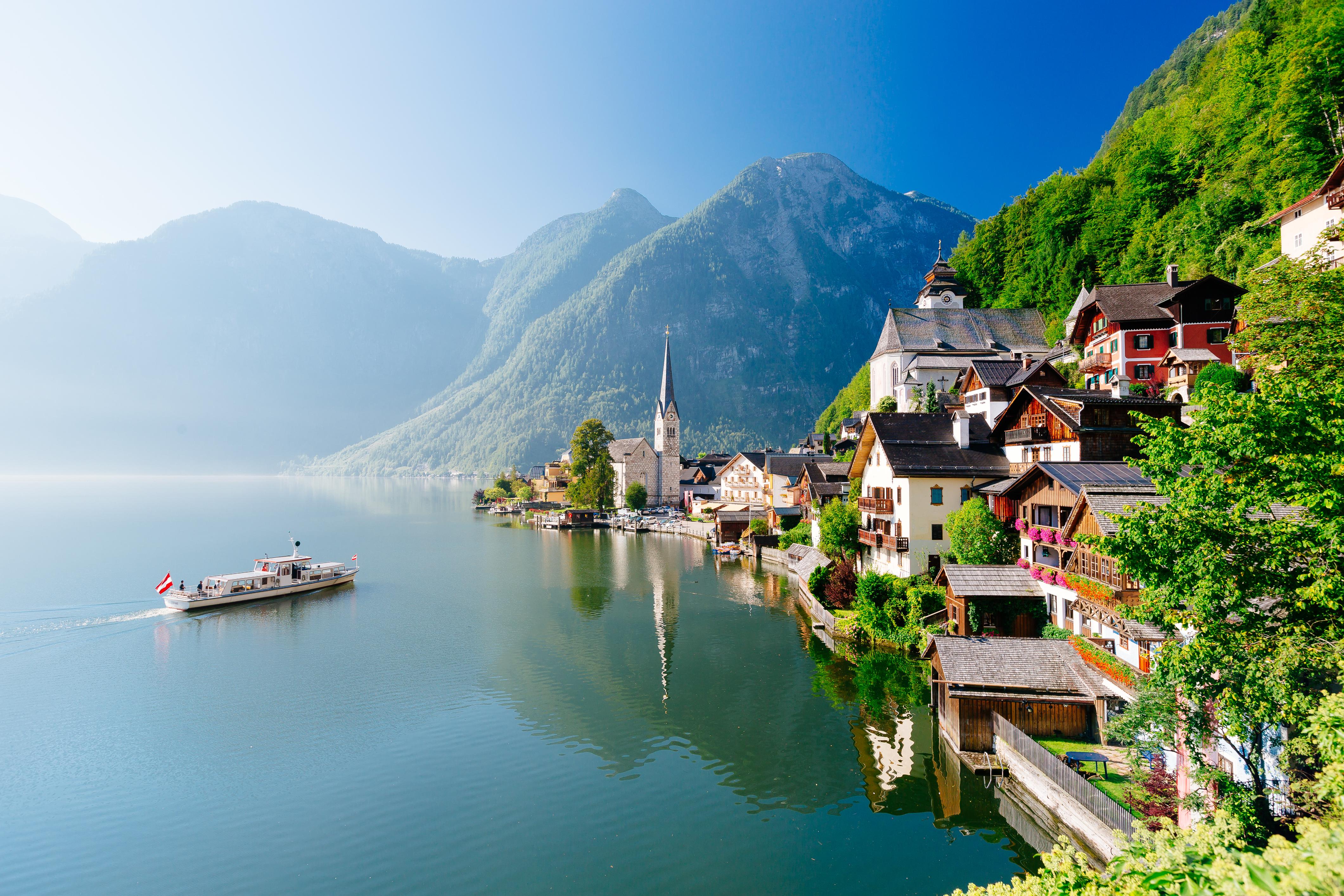
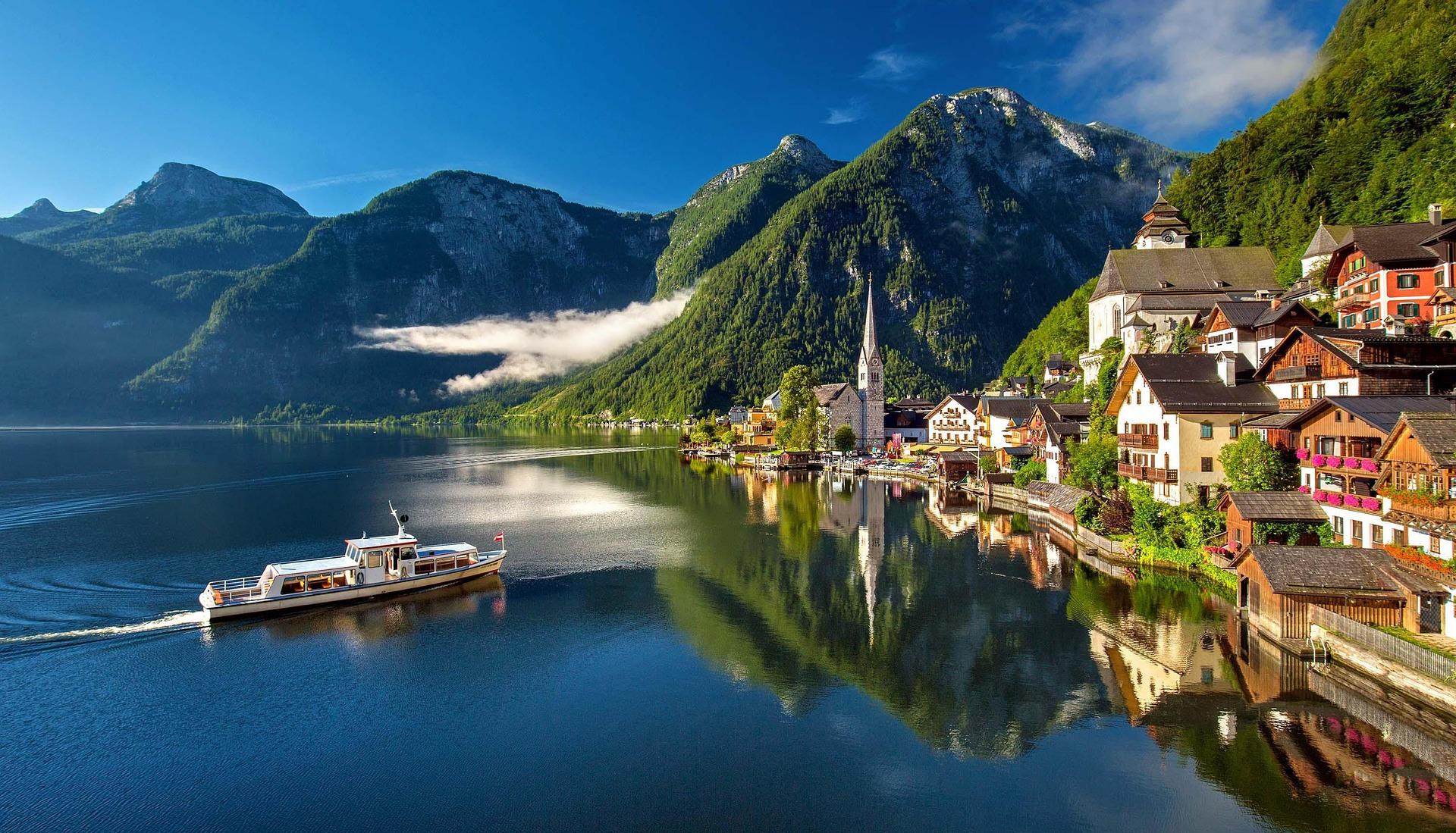
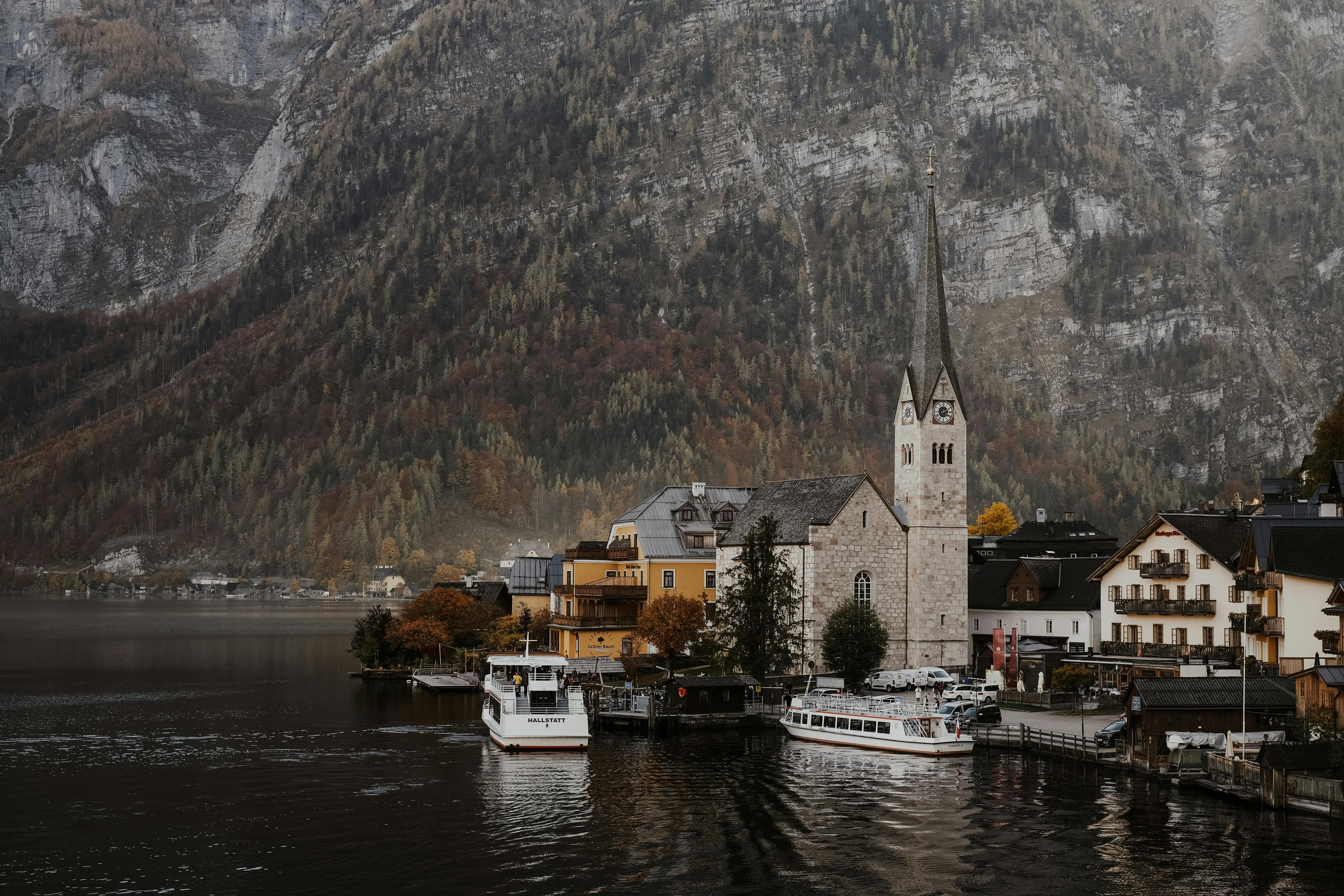
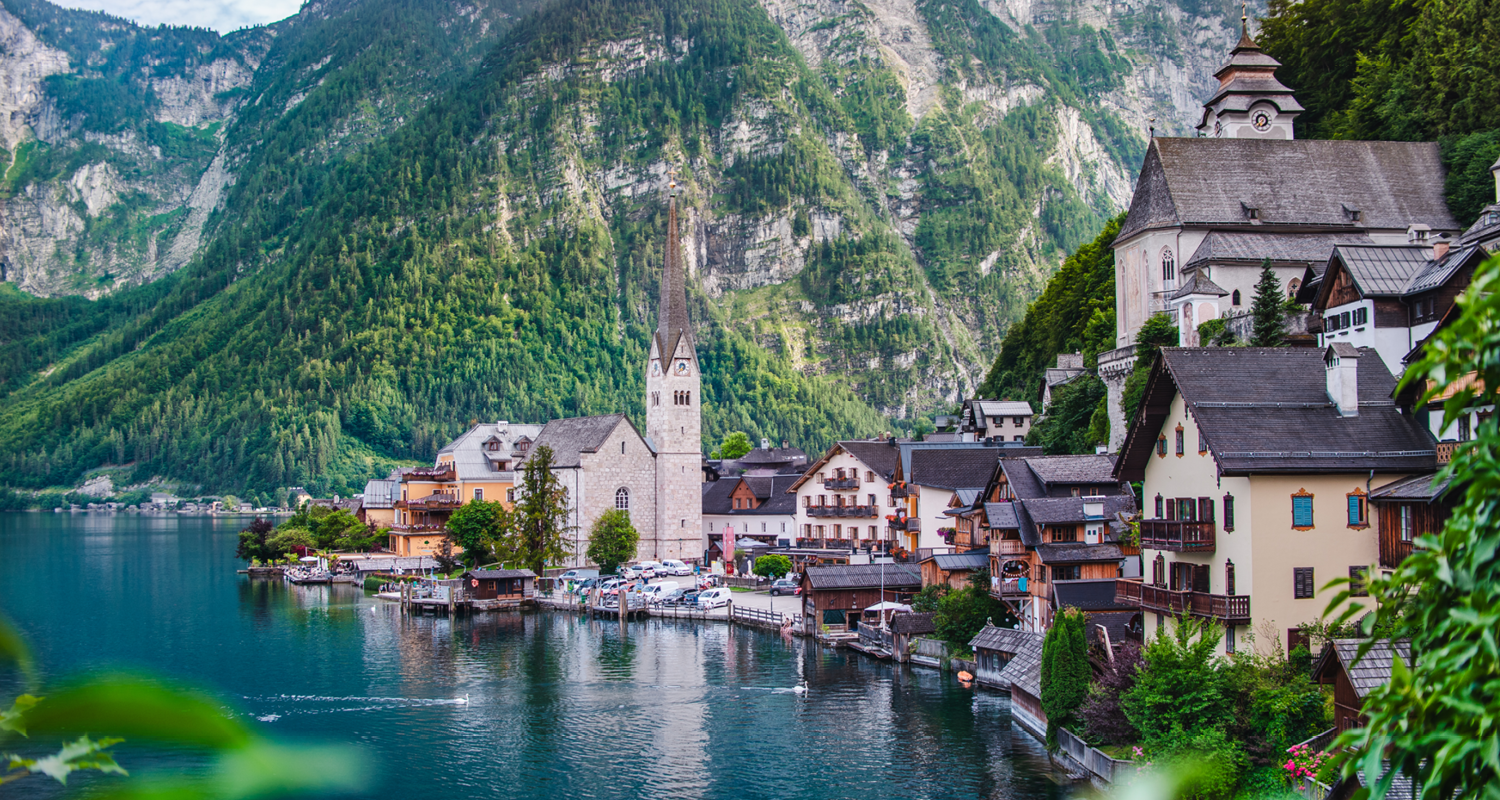
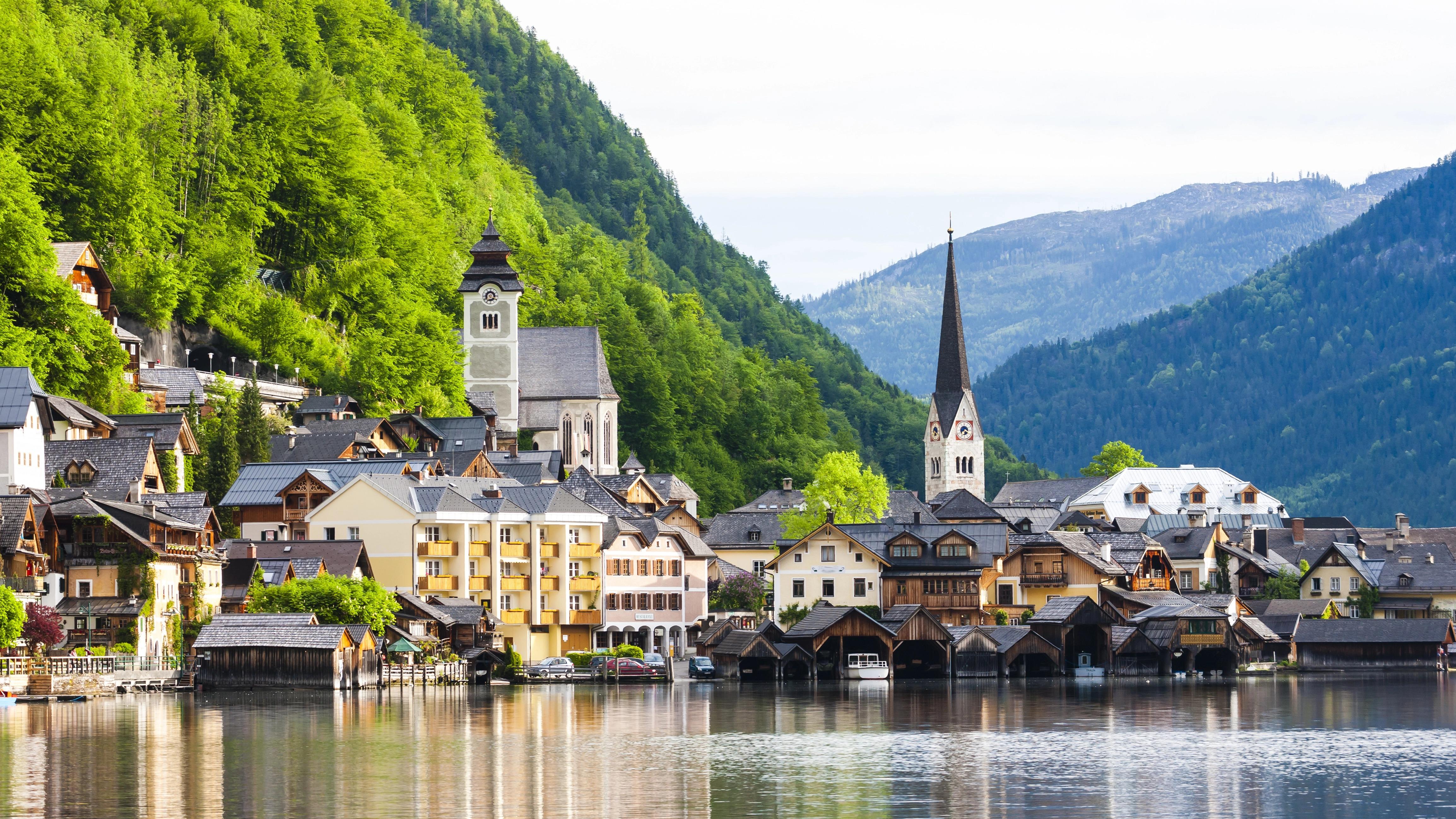
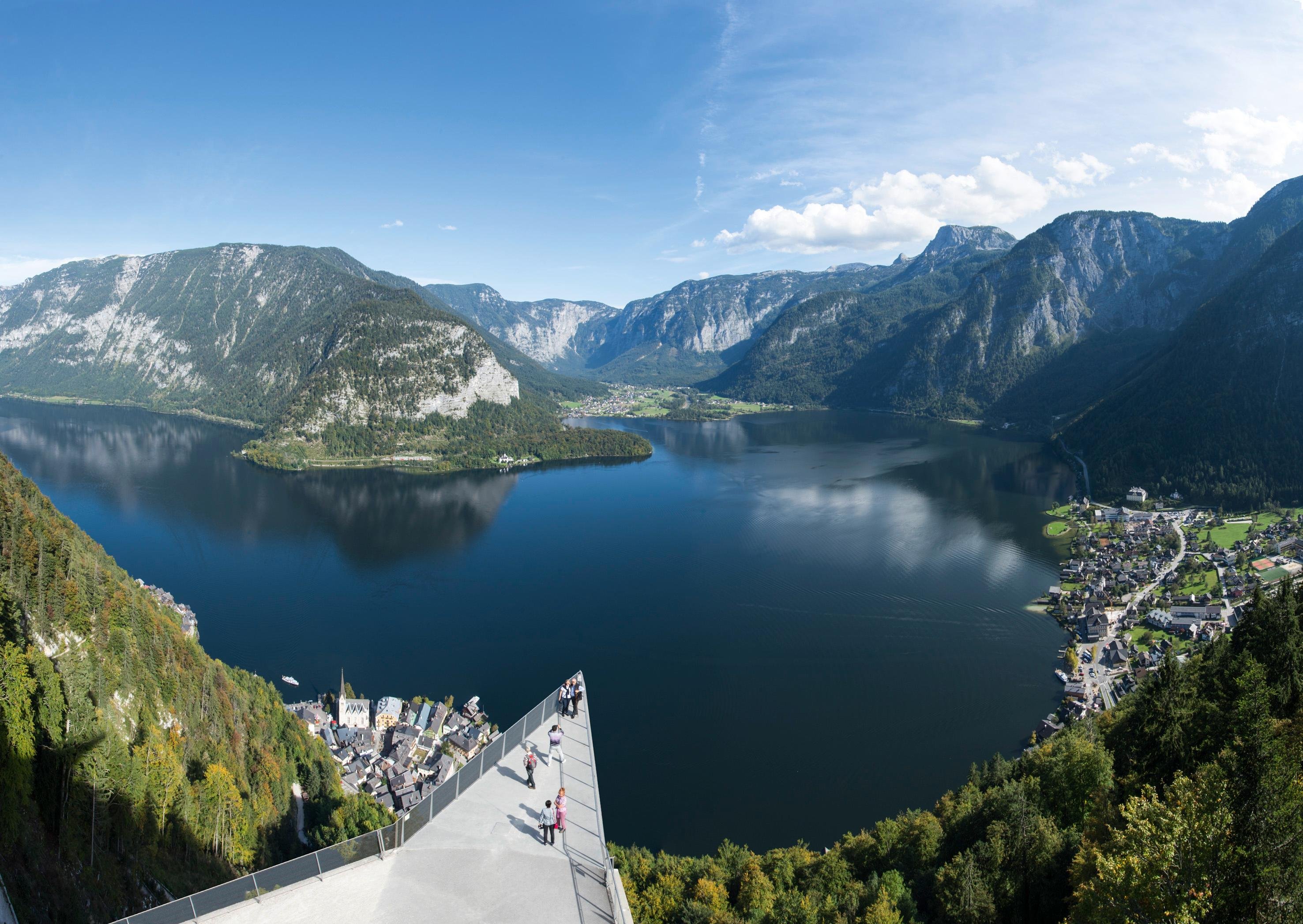
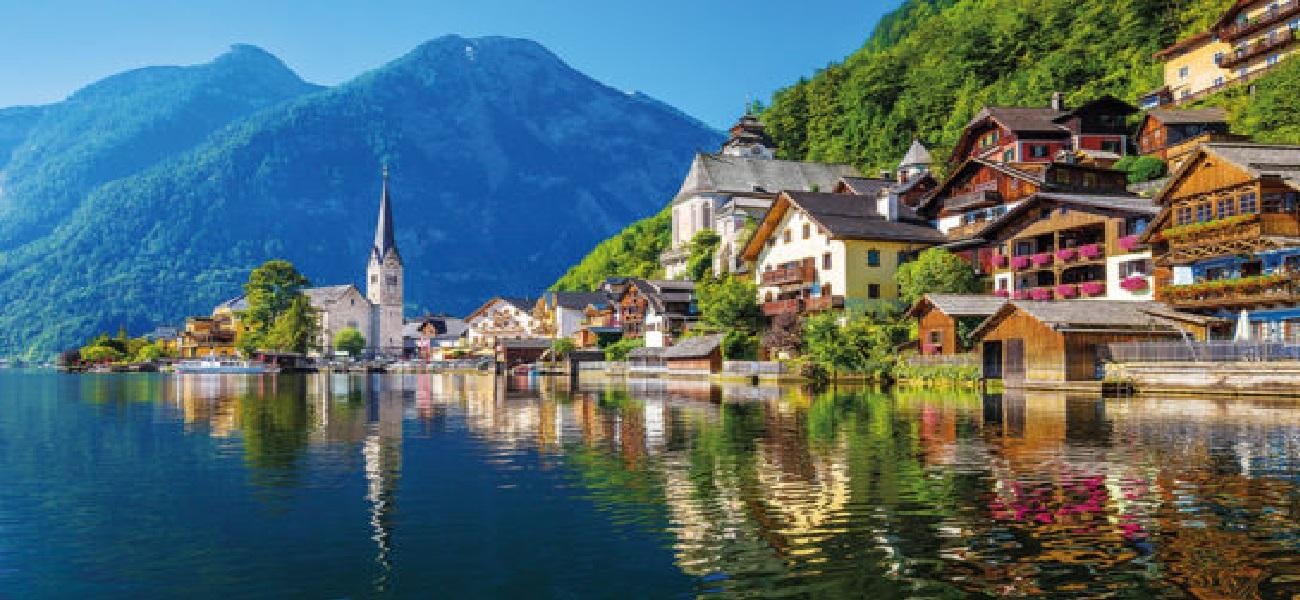
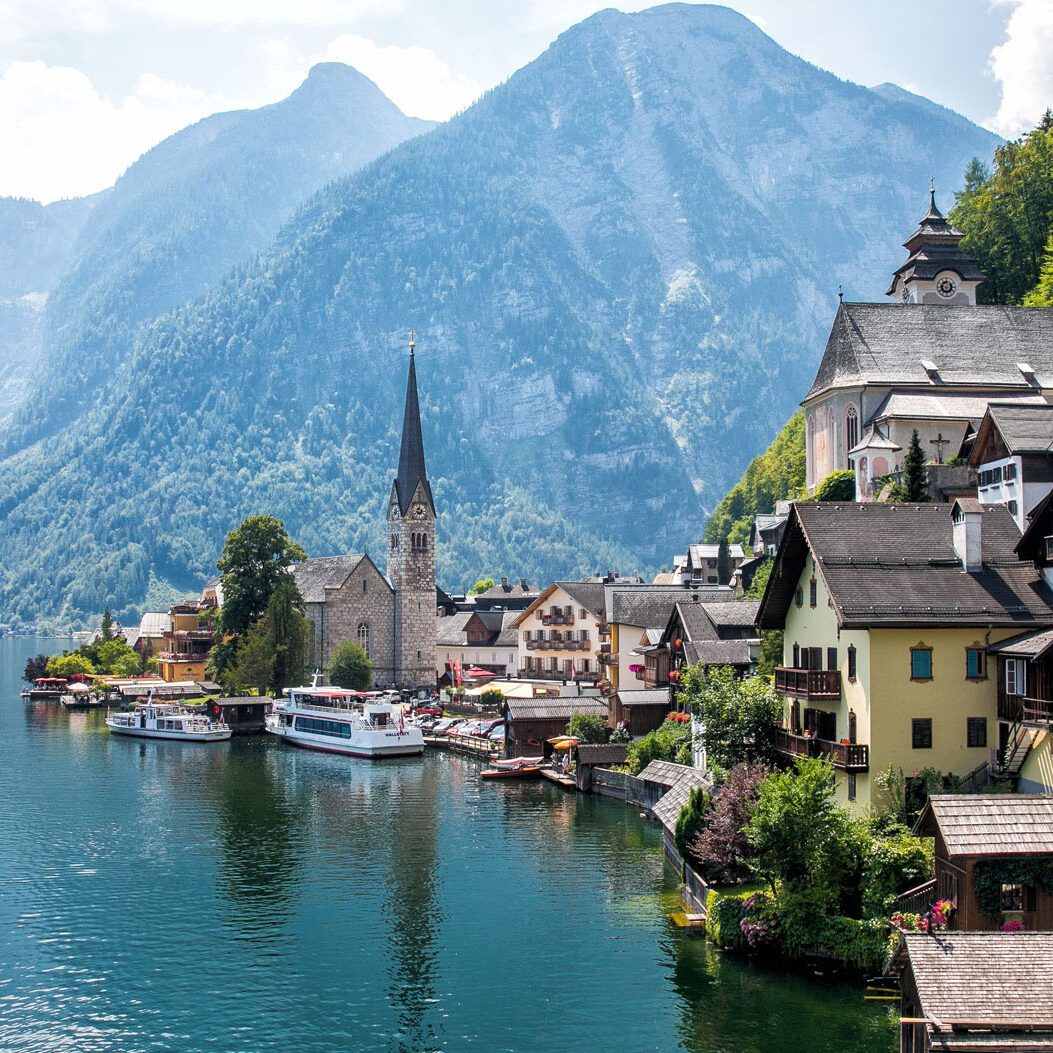
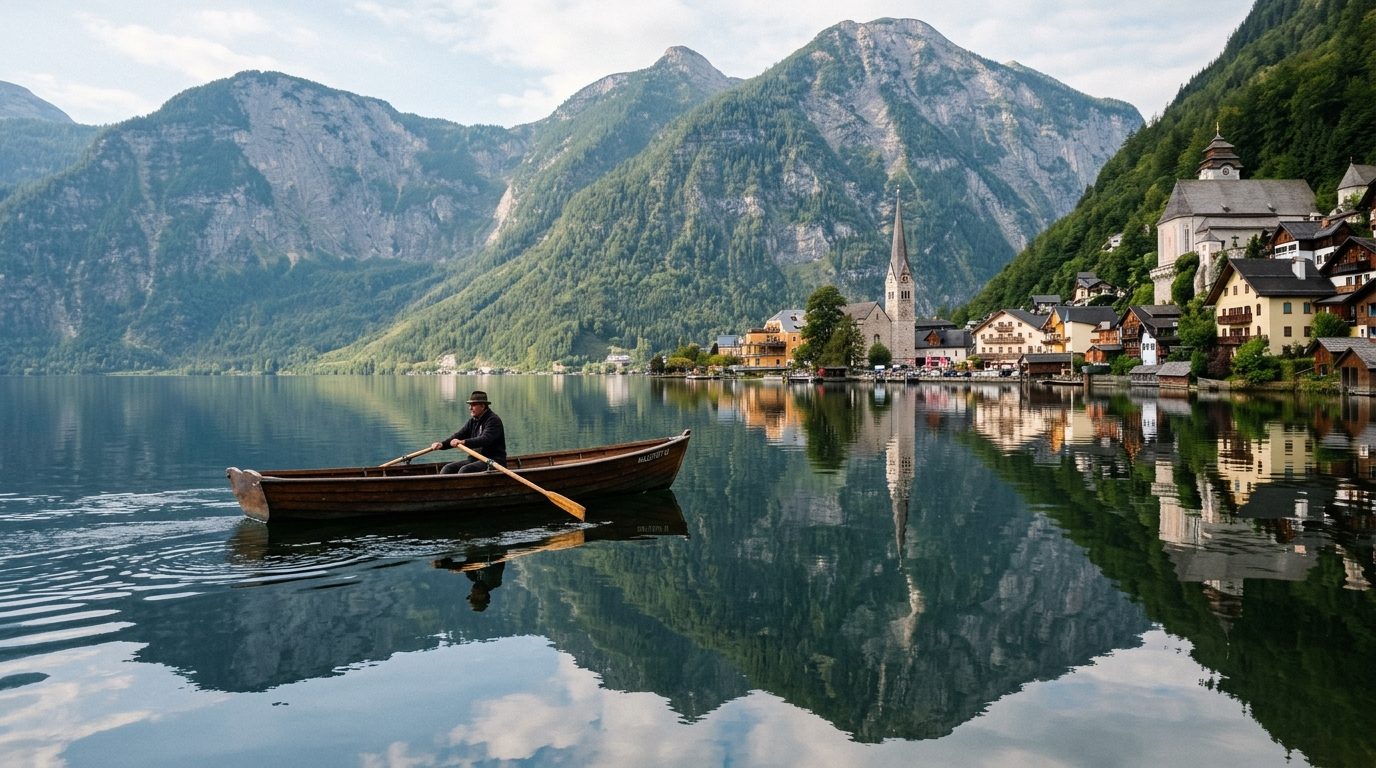
Hallstatt materializes at 16:00, the village compressed between water and rock. You descend to the lakefront, where wooden fishing huts lean over the water and the Dachstein's ice fields loom 2,000 metres overhead. The market square holds 14 buildings; the ossuary chapel contains 1,200 painted skulls. You photograph the postcard view from the north shore, then board for the return. Vienna reappears at 21:00, the Stephansdom spire backlit against the city grid.
All the details about your upcoming adventure in one place
This vienna to salzburg and hallstatt tour connects three UNESCO World Heritage sites across Austria's most scenic alpine region. Travel from Vienna through the Wachau Valley, stopping at Melk Abbey's baroque splendor before reaching Mozart's Salzburg and the lakeside village of Hallstatt. The full-day vienna to salzburg and hallstatt tour tickets include guided commentary on Austrian history, alpine architecture, and the Salt Chamber heritage that shaped these mountain communities.
The baroque library at Melk Abbey holds 100,000 volumes beneath ceiling frescoes by Paul Troger, completed in 1732 when the monastery's reconstruction transformed a medieval fortress into one of Europe's most theatrical religious complexes.
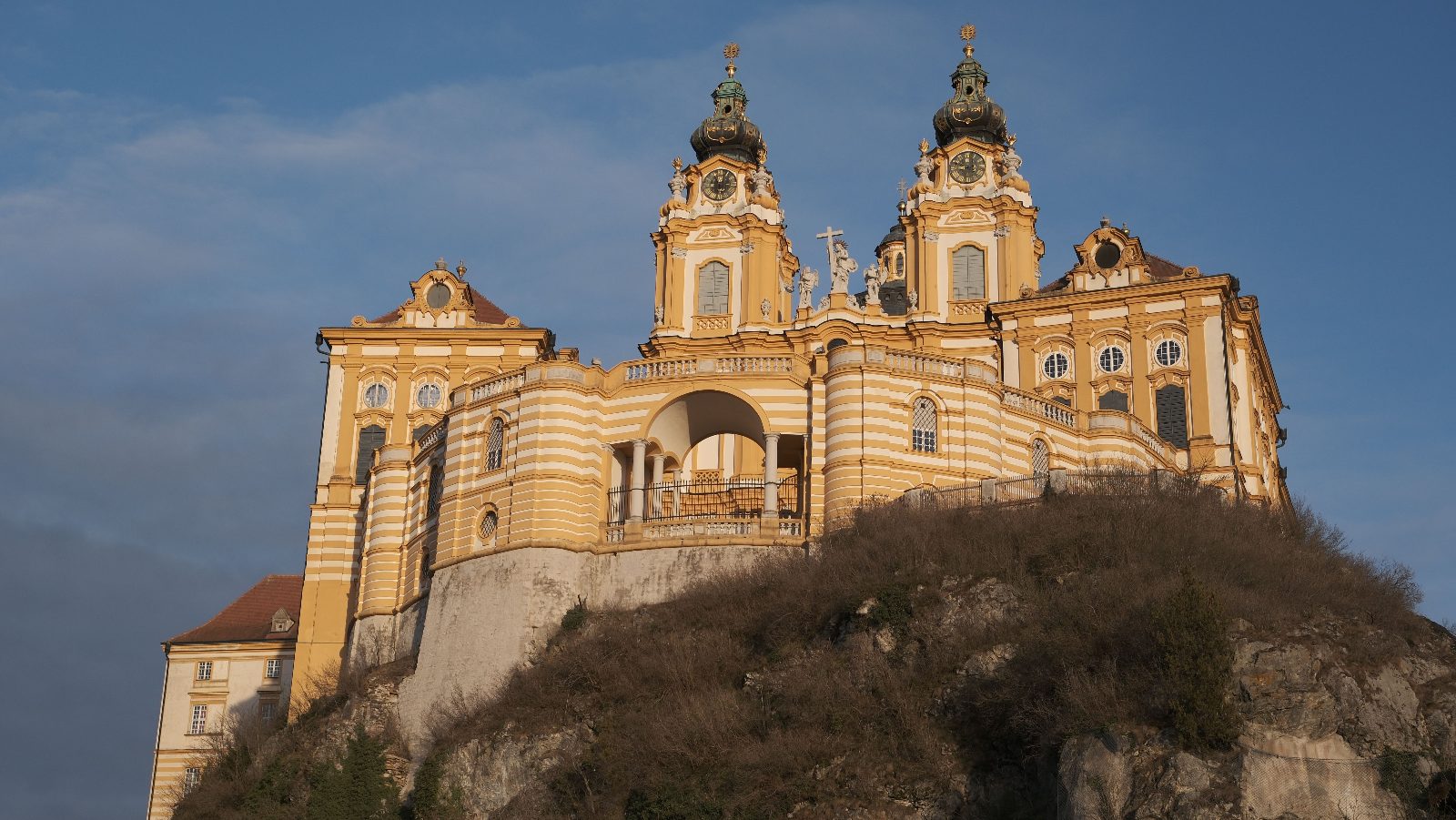
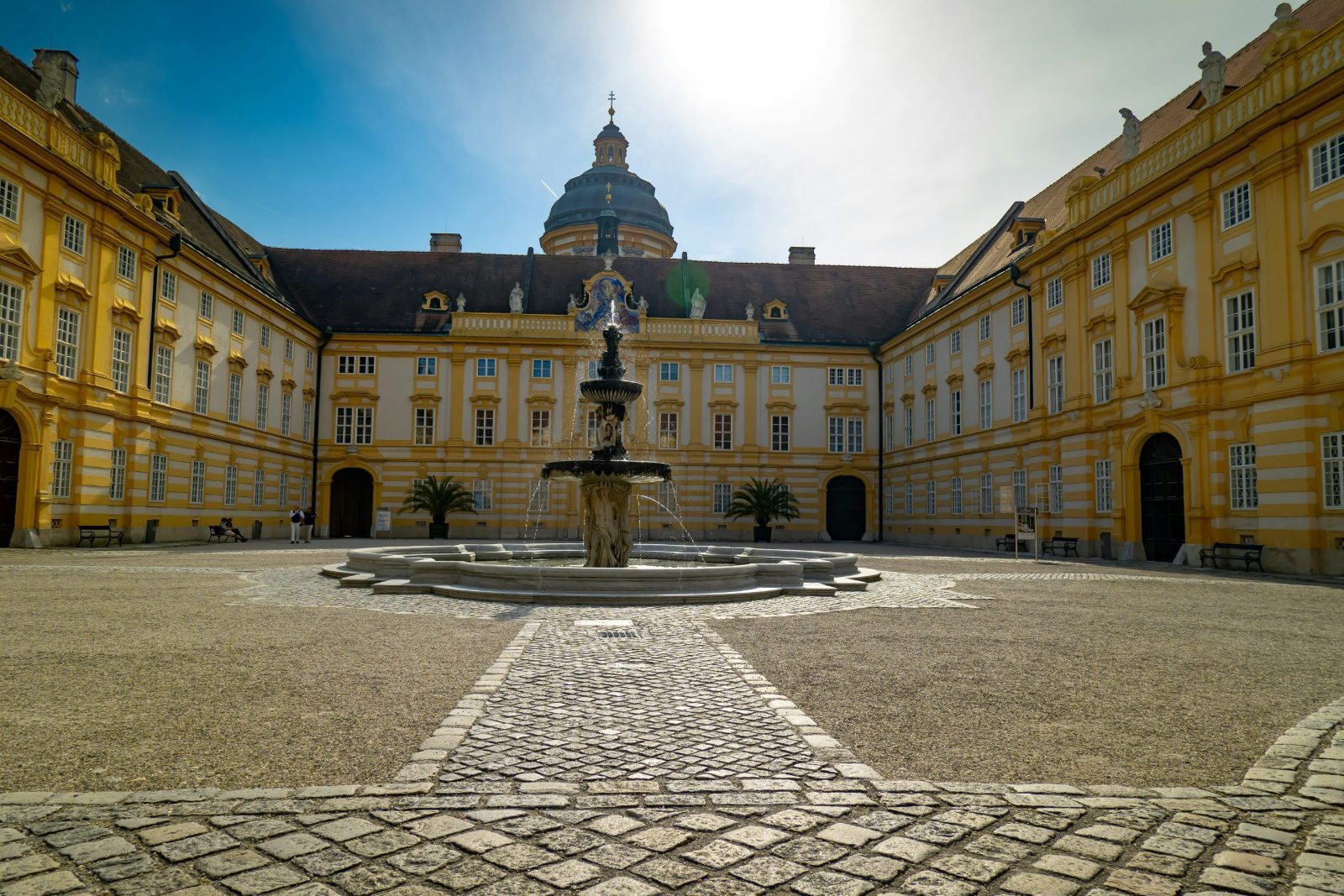
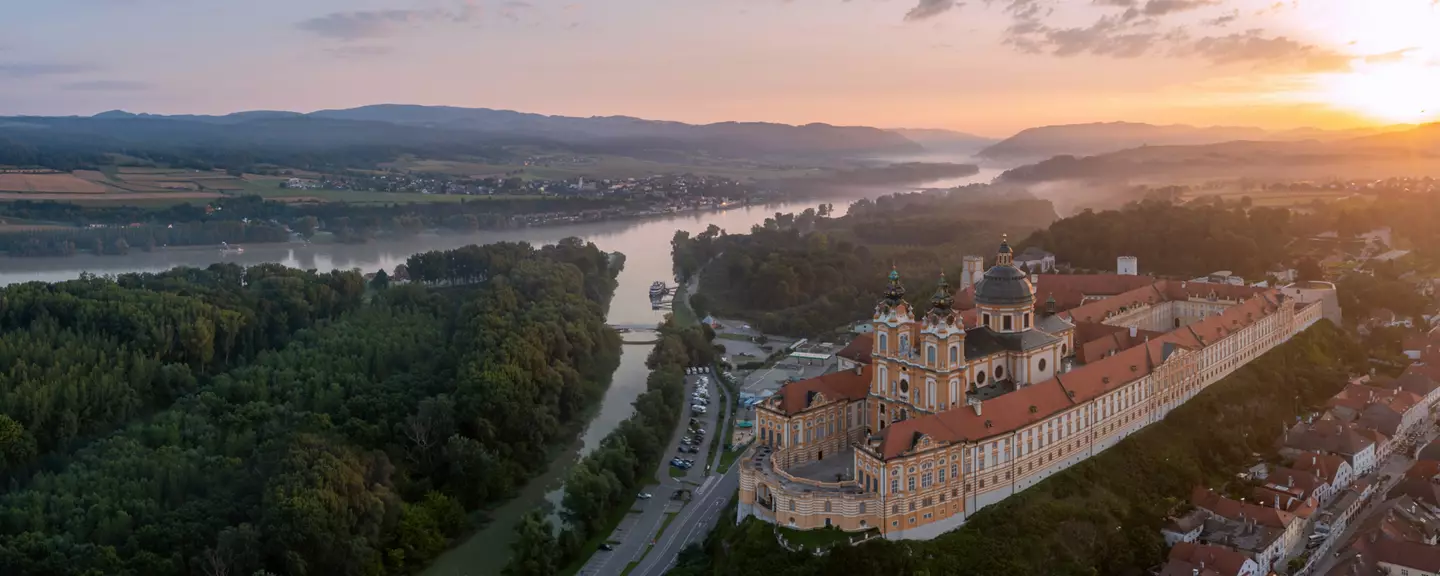
Perched 60 metres above the Danube, the abbey's yellow ochre façade stretches 325 metres along the river cliff, a scale that announced the Benedictine order's power across the Wachau Valley for nearly a millennium. Emperor Leopold I commissioned architect Jakob Prandtauer to design the current structure in 1702, and the result married Italian high baroque with Austrian restraint — gilded altars and marble columns inside, but none of the excess that marked southern European counterparts.
Today the private tour from Vienna to Salzburg and Hallstatt stitches together three distinct layers of Austrian identity: monastic scholarship at Melk, musical heritage in Salzburg, and alpine village life at Hallstatt. The route follows the same Danube corridor that connected Vienna to the salt mines of the Salzkammergut for centuries, a trade artery that financed both the abbey's art collection and Salzburg's independence as a prince-archbishopric until 1803. Mozart's birthplace at Getreidegasse 9 draws two million visitors annually, but the real cultural weight sits in the Hohensalzburg Fortress above — 900 years of unbroken military architecture overlooking the city that exported baroque music across Europe.
Hallstatt's 778 residents live in a village that gave its name to an entire prehistoric period, the Hallstatt culture spanning 800 to 450 BCE, when Celtic miners extracted salt from the mountain behind the town. Archaeological digs in the 19th century uncovered 2,000 graves in the valley, making it one of Central Europe's richest Iron Age sites. The village itself clings to a narrow ledge between the Hallstätter See and the Dachstein massif, accessible by boat until a lakeside road was carved in 1890. UNESCO listed the region in 1997, and modern tourism has turned the one-street settlement into a bottleneck — peak summer days see 10,000 daytrippers funneled through a corridor originally built for 200 residents. The Vienna to Salzburg and Hallstatt tour packages this geographic transect into 12 to 14 hours, compressing centuries of architecture, two World Heritage sites, and 300 kilometres of alpine terrain into a single departure.
Melk Abbey's church interior took 36 years to complete, with Troger's frescoes depicting the apotheosis of Saint Benedict across 640 square metres of vault. The marble hall, designed for imperial receptions, uses mirror placement and trompe-l'œil to double its perceived length. The abbey still functions as a working monastery and gymnasium, educating 900 students annually in the same halls where Umberto Eco researched monastic life for his 1980 novel. Admission includes the terrace overlook, where the Danube bends south toward Vienna and the Wachau vineyards step down the opposite bank.

The baroque library at Melk Abbey holds 100,000 volumes beneath ceiling frescoes completed in 1732, when the monastery's reconstruction transformed a medieval fortress into one of Europe's most theatrical religious complexes.
As an active monastery, visitors should dress modestly out of respect for the religious site. Avoid swimwear or overly revealing clothing in the abbey church.
Large backpacks and bulky luggage should be left in your vehicle or at the designated storage areas. Security personnel are present to ensure the preservation of the historic interiors.
Photography is permitted in most museum and park areas for personal use. Flash photography and tripods are strictly prohibited inside the library and abbey church to protect the delicate frescoes.
The abbey is family-friendly with expansive gardens for children to explore. Strollers are generally permitted, though some ancient corridors may be narrow.
Most of the vienna to salzburg and hallstatt tour route is accessible. Wheelchair users should head to the ticket office in the first courtyard to arrange staff assistance for barrier-free paths.
Eating and drinking are not permitted inside the museum or abbey church. Visitors can find dining options within the abbey grounds or in the town of Melk.
Opening hours
09:00–17:30
Address
Abt-Berthold-Dietmayr-Straße 1, 3390 Melk, Austria
Accessibility
Assistance available upon arrival
Best arrival
09:00–11:00
Navigation
Stiftsstraße for parking
Individual tickets are purchased on-site. For group bookings, contact the administration directly regarding the 14 EUR approximate adult abbey admission policies.
Recommended time
2–3 hours
A standard vienna to salzburg and hallstatt tour provides enough time to explore the abbey church, the ornate library, and the marble hall. You should arrive between 09:00–11:00 to navigate the grounds before heavy vienna to salzburg and hallstatt tour tours arrive by coach. Securing vienna to salzburg and hallstatt tour tickets in advance helps bypass the ticket office, allowing you to focus on the baroque architecture and Danube vistas while maintaining a fluid pace through the cloisters.
Crowd levels through the day
Melk Abbey traces its origins to 976, when Leopold I of Babenberg fortified the rocky outcrop above the Danube as a frontier stronghold against Magyar incursions. The Babenbergs ruled from the hilltop until 1089, when Margrave Leopold II ceded the fortress to Benedictine monks from Lambach. The monastery became a center of manuscript illumination and theological scholarship by the twelfth century, producing codices that survive in Vienna's national collections. By 1297, Melk had affiliated with the reform-minded Melk Congregation, which imposed stricter observance across Austrian and Bavarian houses. The current Baroque complex replaced the medieval buildings after a 1683 fire damaged the Romanesque church and cloister. Abbot Berthold Dietmayr commissioned Jakob Prandtauer in 1702 to design a palatial monastery that would assert Catholic authority along the Danube corridor. Construction proceeded in phases until 1736, interrupted by plague outbreaks and funding shortfalls. Prandtauer's twin-towered church, marble hall, and library wing—adorned with Paul Troger's ceiling frescoes—transformed Melk into the most ambitious monastic project of the Austrian Baroque. The abbey narrowly escaped dissolution under Joseph II in 1782 because the community maintained an active grammar school. Napoleon's forces occupied Melk twice, in 1805 and 1809, requisitioning the abbey as officers' quarters and damaging liturgical furnishings. The monks returned to full monastic life after the Congress of Vienna, though the school grew to dominate daily operations by the late nineteenth century. During the Anschluss, the Nazis closed the seminary and imprisoned several monks; the complex served as a Wehrmacht hospital until 1945. Post-war restoration stabilized the fire-damaged south wing and opened the state rooms to paying visitors. Today Melk Abbey remains an active Benedictine community of twenty monks, its staterooms and church anchoring the cultural itinerary of every vienna to salzburg and hallstatt tour. The monastery archive preserves over 100,000 manuscripts, including ninth-century Carolingian codices that document the abbey's unbroken scriptorial tradition across eleven centuries of habitation.
Leopold I of Babenberg establishes a fortified residence on the Melk outcrop to guard the Danube frontier against Magyar raids.
Margrave Leopold II transfers the fortress to Benedictine monks from Lambach, founding the monastery that survives today.
Melk joins the reform-oriented Melk Congregation, which enforces stricter liturgical discipline across fifteen Austrian houses.
Abbot Berthold Dietmayr commissions Jakob Prandtauer to rebuild the monastery in the Baroque style after the 1683 fire destroys much of the medieval complex.
Napoleonic troops occupy Melk twice, using the abbey as military quarters and damaging its liturgical furnishings.
The Nazi regime closes the seminary, imprisons several monks, and converts the abbey into a Wehrmacht hospital until liberation in May 1945.
Post-war restoration opens the state rooms and library to ticketed visitors, generating revenue that sustains the active monastic community and school.
Stand at the edge of the stone wall for a panoramic view of the Danube River and the town below. This vantage point provides the classic perspective of the abbey architecture against the water.
Frame the intricate ceiling frescoes and red marble columns to capture the opulent interior design. Position your camera centrally to maintain symmetry within this hall on your vienna to salzburg and hallstatt tour.
Focus on the arched wooden bookshelves and the ceiling painting through the doorway. This location offers a depth of field that highlights the scholarly heritage of the site as seen in many vienna to salzburg and hallstatt tour tours.
Capture the golden facade and the tiered layout of the monastic buildings from the center of the square. Use the architectural symmetry to guide the eye toward the church towers for your vienna to salzburg and hallstatt tour tickets.
Visitors on a vienna to salzburg and hallstatt tour often find convenient dining options right at the abbey or a short stroll downhill into Melk. While on-site venues provide ease for those booking vienna to salzburg and hallstatt tour tickets, local taverns offer authentic Austrian cuisine for groups seeking a relaxed meal.
Located within the abbey complex, this spot is ideal for quick service after exploring the library or baroque church, especially for those on vienna to salzburg and hallstatt tour tours.
This charming venue in the town center serves traditional dishes like schnitzel and local pastries, offering a quieter atmosphere than the main tourist routes for a vienna to salzburg and hallstatt tour tour.
A historic setting near the town square featuring regional specialties and local wines; it is a popular choice for travelers navigating these iconic Austrian landmarks during a lunch break.
Real experiences from real travelers
Our guide was punctual and knowledgeable. The stop at Melk Abbey offered stunning Danube views and the baroque interiors were impressive. Salzburg gave us enough time to walk the old town and grab lunch near the cathedral. Hallstatt was the highlight, with the lake perfectly still in late afternoon light.
The vienna to salzburg and hallstatt tour covered three distinct regions in one day. Melk's abbey library was extraordinary. Salzburg felt alive with street musicians and the fortress views were worth the climb. Hallstatt was smaller than expected but the lakeside setting made it unforgettable.
Our driver handled the mountain roads smoothly. Melk Abbey tour lasted about 45 minutes. In Salzburg we had two hours to explore Getreidegasse and the Mozart birthplace. Hallstatt was crowded by mid-afternoon but the boat ride across the lake offered a quieter perspective.
The vienna to salzburg and hallstatt tour departs early and returns late. The Wachau Valley scenery between Vienna and Melk was pastoral and green. Salzburg's Mirabell Gardens were in full bloom. Hallstatt's bone chapel was small but historically fascinating. Bring comfortable shoes for the walking portions.
The tour guide shared Austrian history during the drives. Melk Abbey's church ceiling frescoes were vibrant. Salzburg offered time for schnitzel at a traditional gasthof. Hallstatt's market square had local artisans selling handmade crafts. The entire route felt like traveling through a postcard.
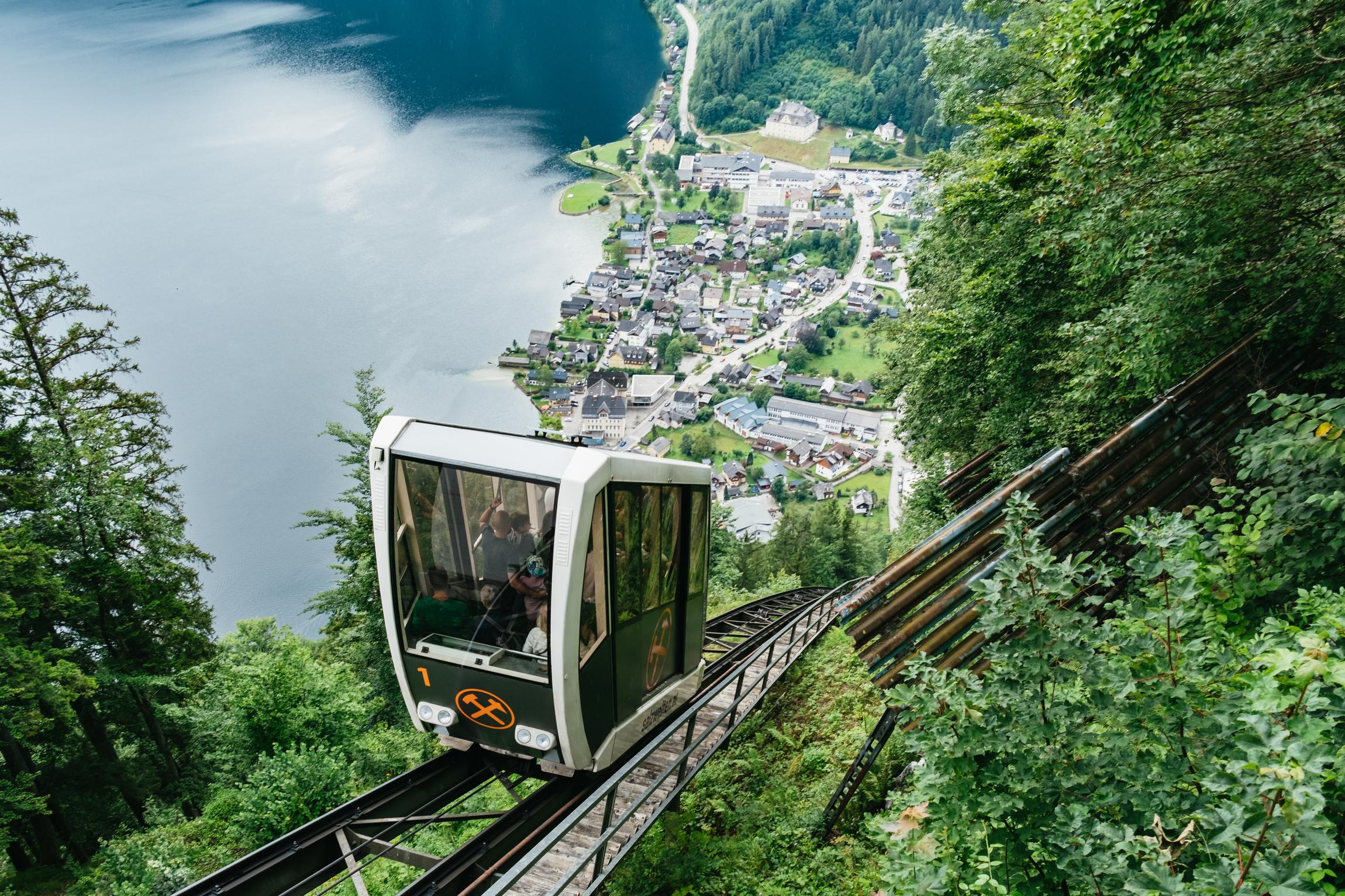
This vienna to salzburg and hallstatt tour packed a lot into one day without feeling rushed. Melk's terrace overlooked vineyards and the river bend. Salzburg's old town was compact and walkable. Hallstatt's viewing platform above the village required a short funicular ride but delivered alpine panoramas.
The coach was comfortable with air conditioning. Melk Abbey's library held rare manuscripts and ornate woodwork. Salzburg's Hohensalzburg Fortress dominated the skyline. Hallstatt's lakefront promenade was lined with cafes, and the water was so clear you could see trout swimming near the docks.
Our group was small, which made stops more flexible. The abbey at Melk included a museum wing with medieval artifacts. Salzburg's Getreidegasse had unique boutiques and the birthplace museum was well curated. Hallstatt felt remote despite the tourist presence, and the mountain air was crisp even in summer.
The vienna to salzburg and hallstatt tour covered impressive ground but each stop felt brief. Melk Abbey deserved more time to explore the grounds. Salzburg was enjoyable but two hours went quickly. Hallstatt was picturesque though very crowded. A longer itinerary would improve the experience.
The route showcased Austria's diversity. Melk's baroque architecture contrasted with Salzburg's medieval charm and Hallstatt's alpine simplicity. The guide pointed out Sound of Music filming locations in Salzburg. Hallstatt's cemetery terraces climbed the hillside with carved wooden crosses. Well worth the full day commitment.
Everything you need to know for your journey
Melk Abbey is open daily from 09:00–17:30. Visitors can explore the grounds during these hours throughout the week.
Yes, Melk Abbey offers assistance for guests with mobility needs; please visit the ticket office in the first courtyard to arrange help.
Large luggage should be avoided during your vienna to salzburg and hallstatt tour as storage is limited; keep personal items to a small carry-all.
Photography is allowed in most areas of Melk Abbey, though flash and tripods are banned in the library and church.
We recommend the 09:00–11:00 arrival window to avoid peak bus crowds during your vienna to salzburg and hallstatt tour.
Modest dress is required for your vienna to salzburg and hallstatt tour, especially when entering the abbey church.
No food is allowed inside the museum or church areas during your vienna to salzburg and hallstatt tour; use the on-site cafe.
The abbey is located at Abt-Berthold-Dietmayr-Straße 1, easily reached by train or by joining a guided vienna to salzburg and hallstatt tour.
Yes, families are encouraged to enjoy the abbey park and museum as part of their vienna to salzburg and hallstatt tour.
The approximate adult abbey admission for the vienna to salzburg and hallstatt tour is 14 EUR, though this may vary by inclusions.
Join thousands of happy travelers who have discovered this incredible experience
Book Your Experience Now